Blogs / Karamoja, Uganda: The Cattle People Who Refused to Change
Karamoja, Uganda: The Cattle People Who Refused to Change
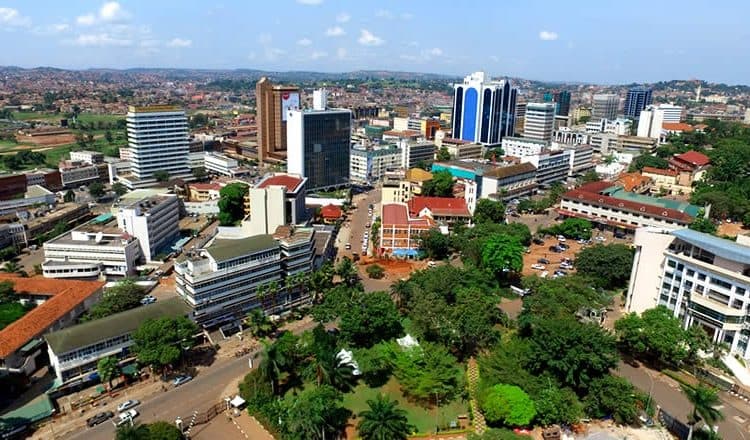
THe rhythm of Kampala is not found in the sun-drenched chaos of its midday markets, but in the low, pulsing bass that begins to reverberate through the hills as dusk settles over Lake Victoria. For decades, the city has been legendary as East Africa's true party capital-a place where social boundaries dissolve under the glow of neon signs and the collective heat of the dance floor.
Where We Are — The Land of Karamoja
Karamoja region in Uganda stretches across 27,528 square kilometres in the northeastern corner of the country, bordering Kenya to the east and South Sudan to the north. According to the 2024 Uganda National Census by the Uganda Bureau of Statistics (UBOS), the region is home to 1,496,117 people spread across nine districts: Abim, Amudat, Kaabong, Karenga, Kotido, Moroto, Nabilatuk, Nakapiripirit, and Napak. Moroto, our regional capital, sits beneath Mount Moroto, one of the mountains that shape this land alongside Mount Kadam and Mount Morungole. The mountains rise suddenly from wide open plains where cattle move across grasslands broken by rocky outcrops, thorn trees, and dry riverbeds. People often describe Karamoja in Uganda as remote. But remote from what? The land has always known itself. We receive one major rainy season, usually between March and October. When the rains come, the plains turn green and cattle grow strong. Then the dry season arrives slowly and stretches for months. Rivers shrink. Dust returns. Men begin moving further with their herds searching for pasture and water. Development workers once looked at this movement and called it backwardness. But moving with cattle through a semi-arid environment is not backwardness. It is ecological intelligence refined over centuries. This is not a harsh land. It is our land.


Who We Are — The Karamojong People
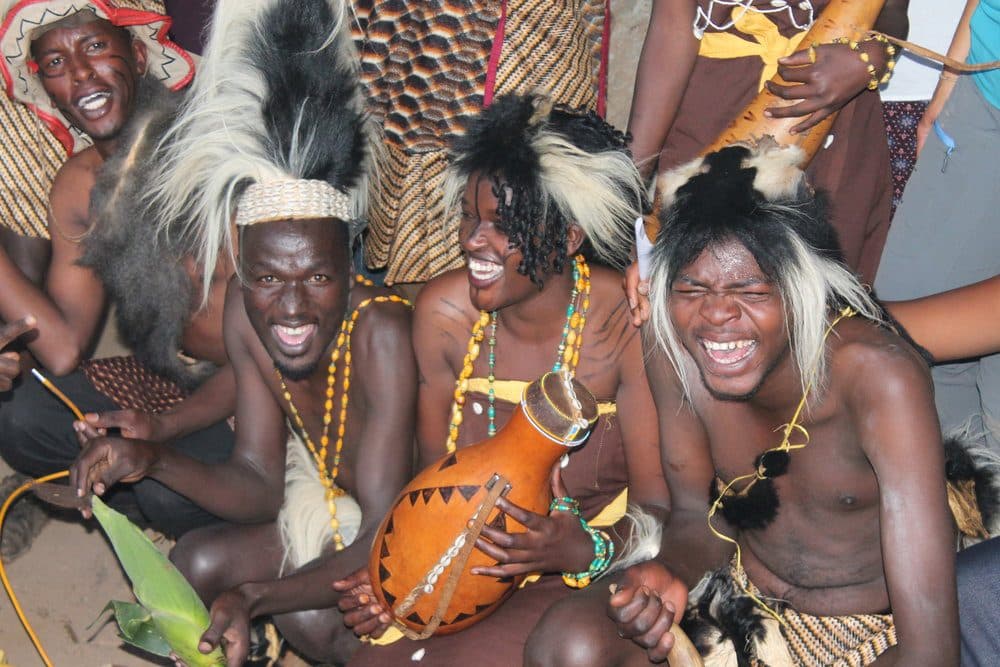
The Karamojong tribe traces its roots to a migration from present-day Ethiopia around 1600 AD. Anthropological records place us within the Ateker cluster — Nilotic-speaking pastoral peoples who spread across parts of Uganda, Kenya, South Sudan, and beyond. Our name comes from the phrase ekar ngimojong — “the old men can walk no farther.” That sentence became our identity. It marked the place where our ancestors stopped walking and chose to settle. Today, the Karamojong people speak Ngakarimojong, a Nilotic language related to Turkana in Kenya, Teso in Uganda, and Toposa in South Sudan. Our language carries proverbs, oral histories, songs, and stories that preserve memory better than books ever could. People often ask: Are the Karamojong related to the Maasai? Yes, distantly. Both the Maasai and the Karamojong emerged from the same broad Nilotic migration from present-day Ethiopia and southern Sudan centuries ago. One branch moved south into Kenya and Tanzania and became the Maasai cluster. Another branch moved west and became the Ateker peoples, including the Karamojong, Turkana, and Teso. That shared ancestry still shows itself in cattle-centred life, warrior traditions, adornment, and age-set systems. Our society remains deeply communal. Elders deliberate and govern through discussion beneath trees. Warriors protect cattle and territory. Women sustain the manyatta, raise children, prepare food, milk cattle, and carry much of daily life on their shoulders. Many outsiders speak about Karamojong culture as if it belongs to the past. But we are not a dying people. We are one of the most intact indigenous cultures in East Africa.
“Kampala doesn't sleep; it transforms. Every corner tells a story of rhythm and resilience.”
- OGUNDEYI FAITH