Blogs / My First Realisation About Uganda Is Not What You Think

My First Realisation About Uganda Is Not What You Think
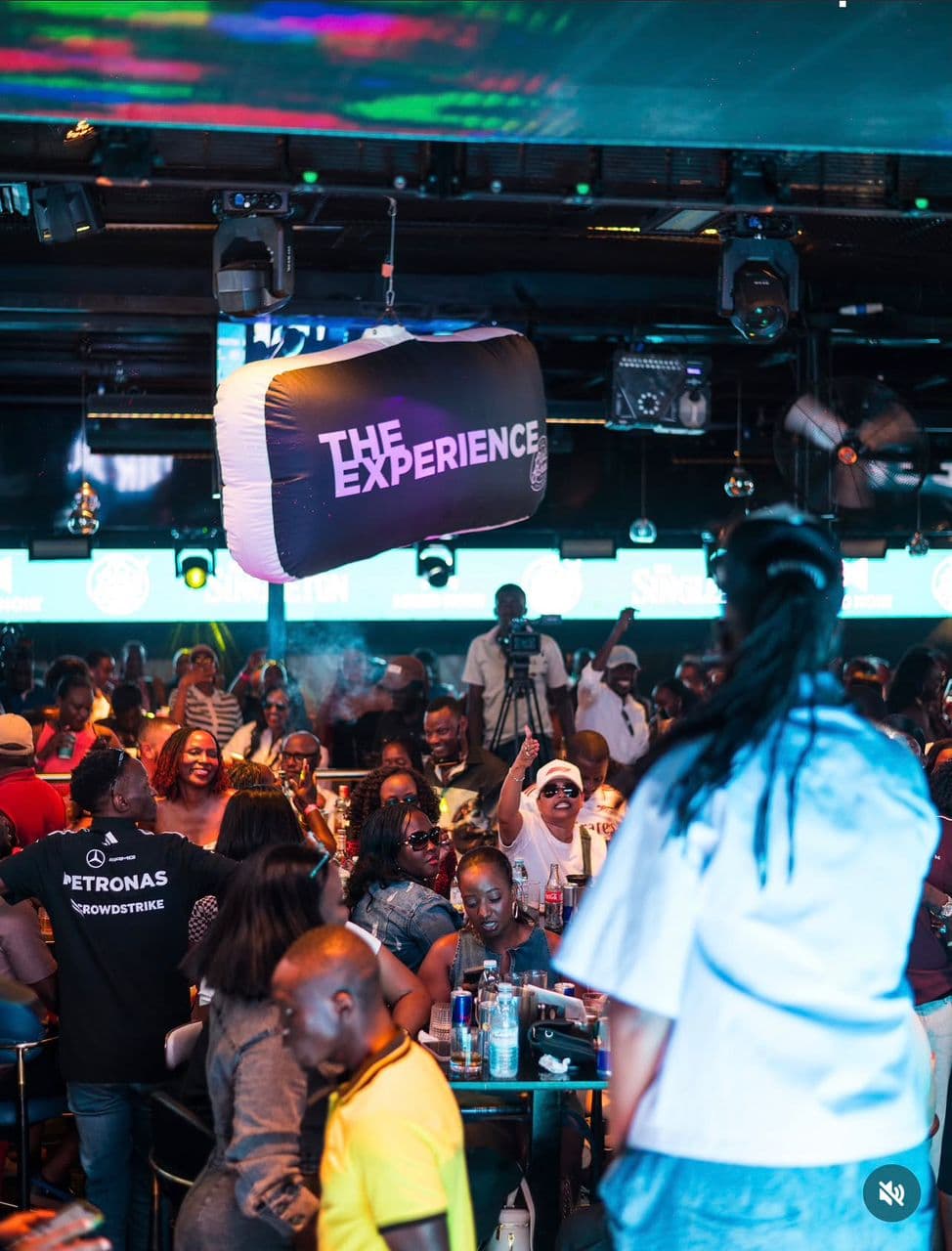
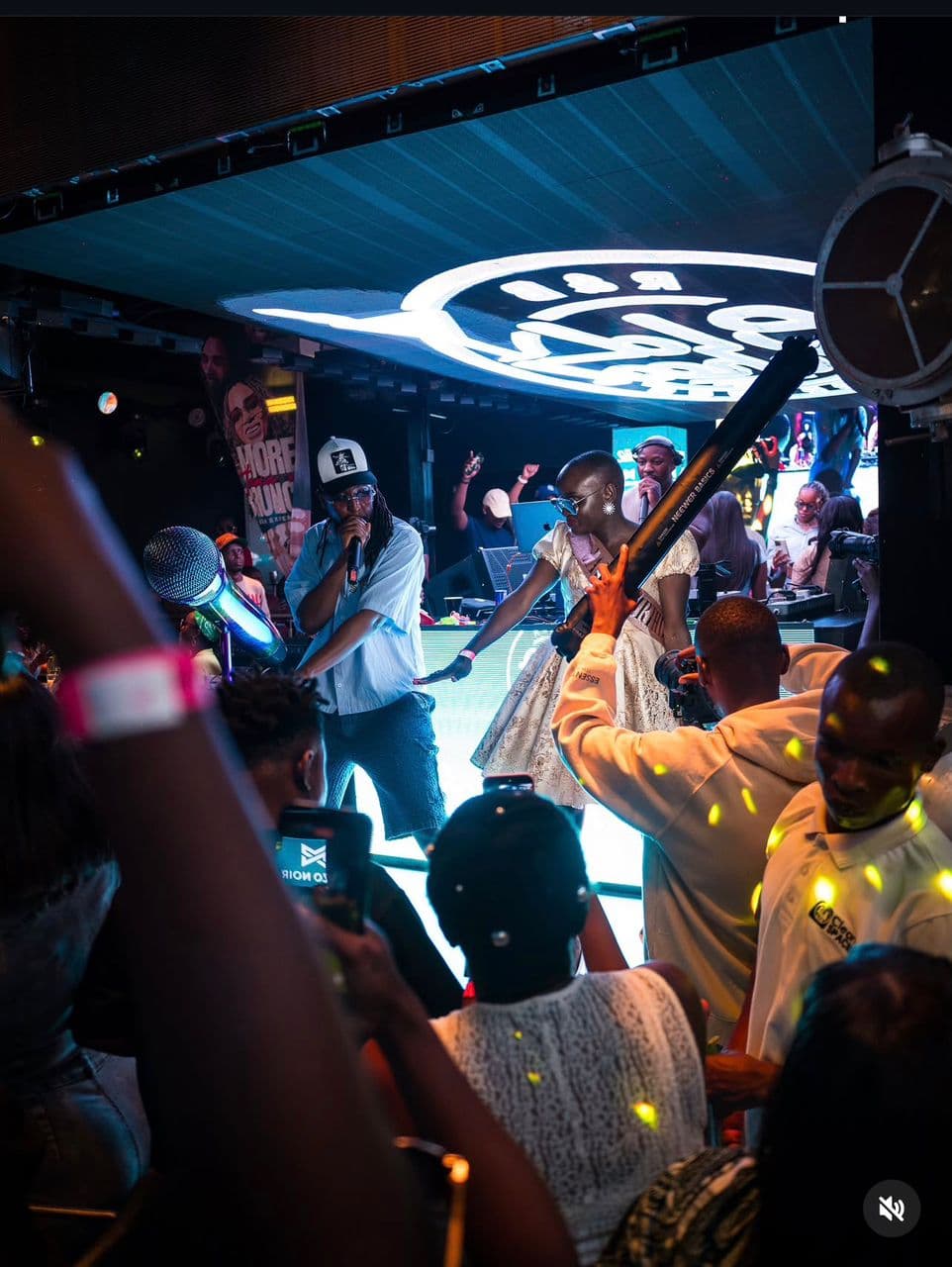
THe rhythm of Kampala is not found in the sun-drenched chaos of its midday markets, but in the low, pulsing bass that begins to reverberate through the hills as dusk settles over Lake Victoria. For decades, the city has been legendary as East Africa's true party capital-a place where social boundaries dissolve under the glow of neon signs and the collective heat of the dance floor.
Where your journey begins
The moment you land at Entebbe International Airport, you’re already at the edge of Lake Victoria. Kampala, the Capital is roughly 40km away — a 30-minute drive via the Entebbe Expressway. Within 5–8 km of leaving the airport, the environment shifts into quieter, less structured spaces. Two places sit along this stretch: Mabamba Swamp and the Uganda Wildlife Conservation Education Centre (UWEC). Mabamba Swamp is home to over 1,000 species of birds, including the shoebill stork that UK travellers often read about — a prehistoric-looking bird so imposing that you cannot win a staring contest with it. A short distance away, UWEC offers a more structured way to engage with wildlife. It hosts the Big 5, chimpanzees, giraffes, Nile crocodiles, giant African pythons, and over a dozen species rarely seen outside Africa. What stands out at this stage isn’t spectacle, but proximity. Within 40 minutes of landing, you’re already encountering landscapes, ecosystems, and wildlife that would normally require separate journeys elsewhere.

So — is Uganda safe to visit?
For many UK travellers, this is one of the first questions that comes up — and it often arrives alongside a specific image: Forest Whitaker as President Idi Amin Dada in The Last King of Scotland. The film is compelling. The history is real. But the Uganda of 1971 to 1979 is not the Uganda you will land in today. The UK Foreign, Commonwealth & Development Office (FCDO) advises standard travel precautions — not avoidance. Uganda is generally safe, welcoming, and accessible for international visitors. Streets remain active late into the night — people moving, trading, socialising. English is spoken widely, conversations flow easily, and the overall tone is open and welcoming. As with any city: use taxis after dark, stick to busy areas, and avoid isolated walks at night. There are also basic health requirements to note. A yellow fever vaccination certificate is required for entry. Malaria is present, so precautions are recommended — speak to a travel health professional before travelling.
“Kampala doesn't sleep; it transforms. Every corner tells a story of rhythm and resilience.”
- OGUNDEYI FAITH